

Modular Retail/Commercial Market Size & Forecast
As retailers, developers, and business owners work to open new locations, expand operations, and respond quickly to changing market demands, modular construction is providing what conventional building methods often cannot: dramatically shorter project timelines, greater cost predictability, and the flexibility to relocate, expand, or reconfigure space as needs evolve. Whether used for permanent stores, restaurants, offices, banks, or other commercial facilities, or for temporary sales centers, pop-up shops, and swing space, today’s modular buildings are more flexible, scalable, and efficient than ever before.
In fact, according to MBI's 2026 United States Permanent Modular Construction Industry Report, retail and commercial applications continue to offer meaningful opportunities for modular construction as companies seek faster, more reliable ways to bring functional, high-quality buildings to market.
Specifically, MBI expects the permanent modular retail & commercial market to grow at 5.1 percent CAGR over the next five years with a market size of $5 billion by 2029.
Modular Retail & Commercial Building Applications
MBI members are delivering modular retail stores and commercial buildings across the full spectrum of project types — from full-scale shopping malls and mixed-use complexes to boutique shops and pop-up restaurants.
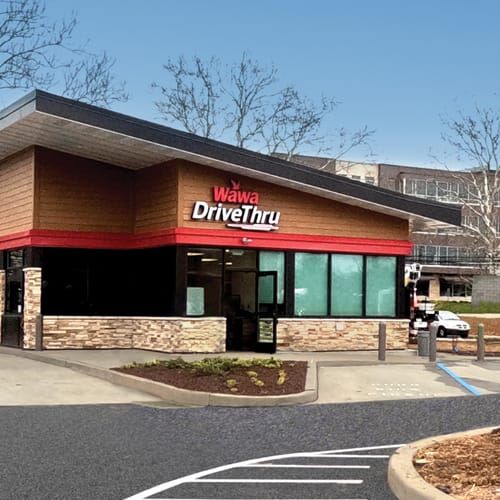
Convenience stores & QSRs
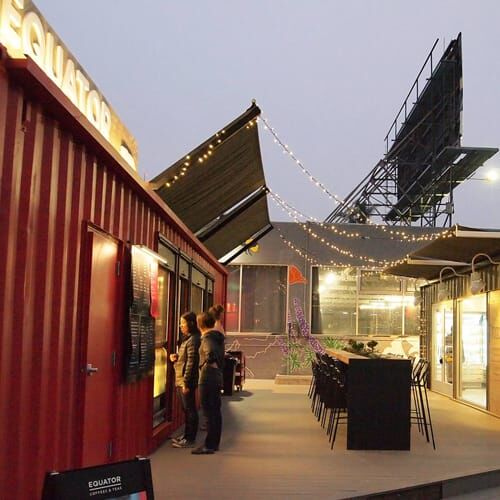
Boutique cafes & shops
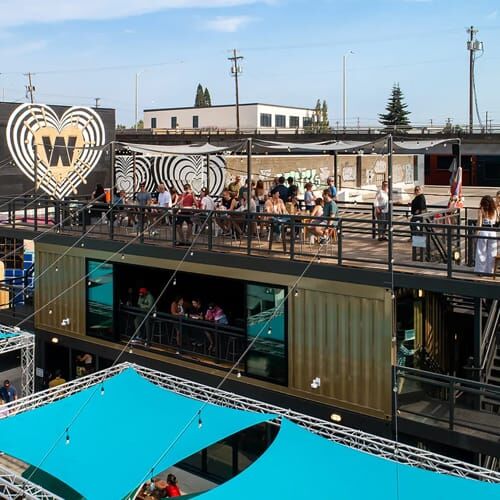
Entertainment venues
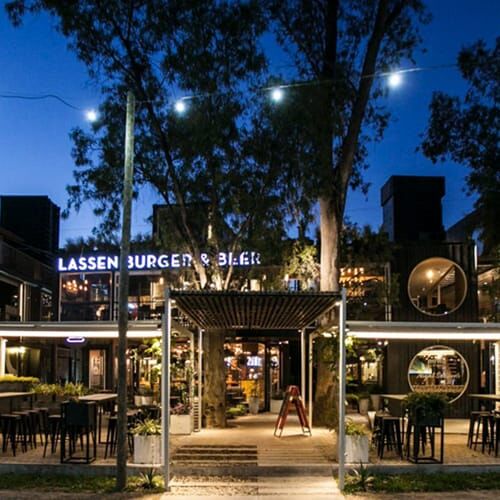
Shopping centers
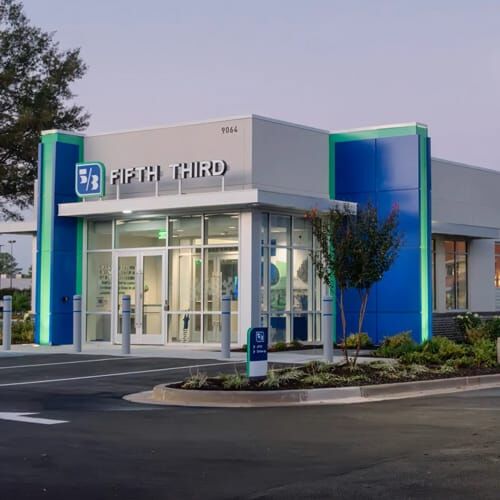
Banks & branch locations
Explore Modular Retail & Commercial Projects Around the World
Use this interactive map to learn more about commercial modular and retail projects built by MBI members across the globe.
Benefits of Modular Construction for Retail & Commercial Projects
The need for flexible, rapidly deployable retail and commercial space has become increasingly clear as businesses respond to shifting consumer habits, changing market conditions, and evolving real estate needs. In this environment, the advantages of modular construction, including speed, efficiency, cost predictability, and adaptability, are more valuable than ever.
As retailers, developers, and business owners plan for future growth, modular construction offers an efficient, cost-effective path forward. Permanent and temporary modular buildings can support a wide range of uses, from large retail stores and office facilities to pop-up shops, sales centers, branch locations, and temporary commercial space in markets of any size.
Speed to Occupancy
Site work and module fabrication happen simultaneously, compressing timelines that would could last 18–24 months into as few as 9–12. That's treatment and revenue-generating capability, faster.
Predictable Budgets
Factory production insulates commercial modular projects from the labor shortages and material volatility that plague site-built work. Costs are locked earlier, surprises are fewer.
Consistent Quality
With highly-repeatable units, modular storefronts and retail shops can be built to the same specifications, in the same environment, by the same crews — inspected at the factory before they ever reach the site. Less rework. Tighter tolerances.
Reduced Site Impact
Fewer trucks, fewer workers, less noise, less debris. For many retail projects in commercially-zoned areas, minimizing site disruption isn't just courteous — it's often a permitting requirement.
Scalable Units
From standalone stores to interconnected shopping malls, modular delivery scales across product types without sacrificing quality or design flexibility.
Built Sustainably
Tighter building envelopes, reduced site waste, and the ability to integrate energy-efficient systems at the factory level give modular stores and shopping centers a measurable sustainability edge.
Tendências emergentes e potencial futuro
The future of retail and commercial construction is increasingly modular. Advances in technology, design, and building materials are making modular buildings more versatile and better able to meet the varied needs of retailers, developers, and business owners. From temporary pop-up shops and sales centers to permanent stores, restaurants, offices, and other commercial facilities, modular construction offers a scalable and adaptable solution that can evolve alongside changing markets, customer expectations, and business needs.
O valor da construção modular
By offering speed, cost efficiency, and flexibility, modular construction provides a practical solution to many of the challenges facing today’s retail and commercial building markets. As MBI members continue to innovate and expand what modular construction can achieve, its role in delivering stores, restaurants, sales centers, and other commercial facilities is positioned to grow. Learn more about how MBI members are advancing retail and commercial construction by creating adaptable, high-quality spaces designed for the future of business.
Explore Modular Retail and Commercial Building Articles & Case Studies
The following projects highlight modular's presence in the retail and commercial building sector
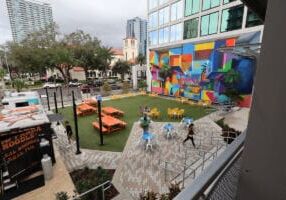
Art²Park – Uma aplicação criativa da construção modular e convencional
O Art²Park é mais do que um edifício-parque — é uma demonstração do que a construção modular pode alcançar quando cuidadosamente integrada com materiais tradicionais. O uso de contêineres de transporte proporcionou não apenas benefícios em termos de velocidade e sustentabilidade, mas também um núcleo estrutural robusto que simplificou e fortaleceu o restante do edifício.
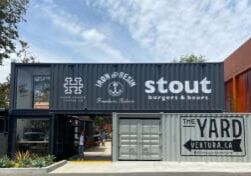
UrbanBloc: de paixão a líder do setor
A UrbanBloc é especializada em três categorias ou mercados principais - o que eles chamam de projetos de "Fase 0", amenidades e preenchimento urbano. Os clientes geralmente são atraídos pelos contêineres de transporte porque, do ponto de vista imobiliário, eles são considerados um ativo. Ter a flexibilidade de mover e transportar esses ativos permite que os proprietários respondam a diferentes circunstâncias de maneira fluida, o que não é possível com a construção padrão.
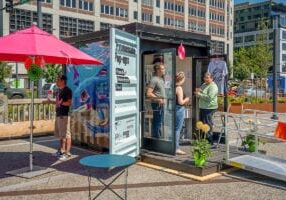
The Retail & Hospitality Game-Changer
"A hospitalidade é mais do que apenas fornecer um serviço - trata-se de proporcionar uma experiência", diz Anthony Halsch, CEO da ROXBOX. "E é aí que os contêineres prosperam. Eles nos permitem criar espaços que são únicos, eficientes e sustentáveis."
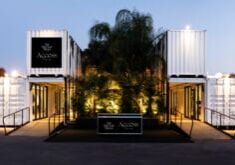
Estruturas BMarko - Modular significa flexível
Em um esforço para aumentar as vendas, o Bal Harbour Shops, em Miami, teve uma ideia única: criar uma versão mini móvel que pudesse viajar para outros locais e conquistar novas bases de clientes. Os contêineres de transporte pareciam fazer mais sentido como a espinha dorsal do novo shopping, mas certamente havia um problema de imagem: como proporcionar uma experiência de compras de alto nível usando contêineres de transporte?
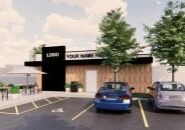
Repetição, comunicação e coordenação: Um estudo de caso da QSR
Esse projeto modular de QSR parecia ser qualquer outro edifício modular na superfície. Por dentro, era tudo menos isso. O ritmo, o desejo de iterar e repetir e a comunicação constante entre todas as partes fizeram com que ele se destacasse.
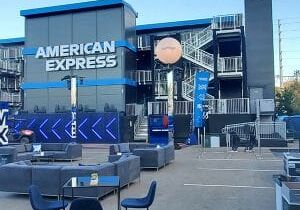
Corrida de Fórmula 1, Las Vegas, Nevada
Em parceria com a InProduction, a Phoenix Modular Elevator (PME) projetou, fabricou e instalou sete elevadores modulares para a corrida do Grande Prêmio de F1 em Las Vegas, Nevada. Para reduzir o espaço, o projeto utilizou elevadores hidráulicos sem casa de máquinas (MRL), eliminando a necessidade de salas de máquinas separadas para cada elevador. Em vez disso, usando o projeto MRL, o equipamento da casa de máquinas é construído no poço do elevador e acessado por uma pequena porta lateral.
Find a Modular Builder for Your Next Retail/Commercial Project
MBI members include the most experienced modular manufacturers and
contractors across the globe — all vetted, all ready to deliver.