Permanent Modular Construction Market Overview
According to MBI's 2026 annual industry reports, the construction market for permanent, volumetric modular construction in North America was $24.5 billion in 2025, representing 5.2 percent of overall select segment market size. The majority of spending activity, approximately 84 percent, is concentrated in the United States, with the remaining 16 percent belonging to Canada.
In the U.S., 70 percent of modular construction is in the multifamily, commercial, and education segments. In Canada, the multifamily sector is the strongest modular construction industry market in Canada, generating nearly half of the nation’s projected modular market size.
Looking ahead, MBI expects the permanent modular construction sector to grow at 6.5 percent CAGR over the next five years with a market size of $28 billion by 2030.
What Types of Buildings Can Be Built with Permanent Modular Construction?
Permanent modular construction can serve a broad range of commercial, institutional, residential, and industrial needs. MBI members design, manufacture, transport, and install modular buildings for projects of many different sizes, designs, and levels of complexity.
PMC can support single-story or multistory projects, stand alone as a complete building solution, or integrate with conventionally constructed portions of a larger development. Depending on the project, modules may arrive at the site with mechanical, electrical, and plumbing systems, fixtures, appliances, and interior finishes already installed.
Common permanent modular building applications include:
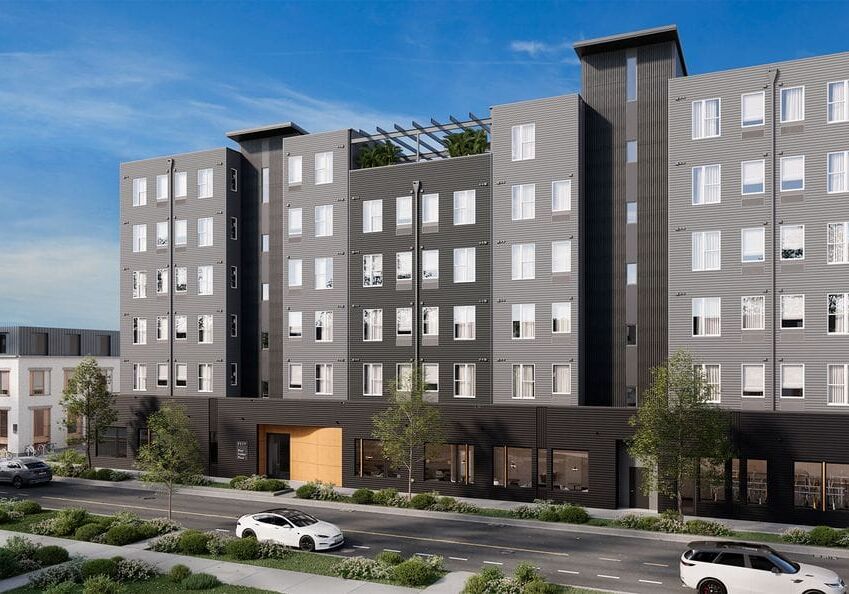
Multfamily Housing
Permanent modular construction can deliver apartment buildings, affordable housing, workforce housing, student residences, faculty housing, urban infill developments, and mixed-use residential projects. The repeatable nature of many housing designs makes multifamily construction particularly well suited for modular delivery.
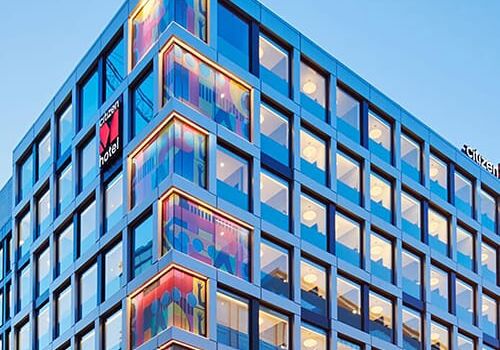
Hotels & Hospitality Buildings
Hotels, motels, resorts, and other hospitality facilities can use factory-built guest rooms and other repeatable spaces. While workers prepare the foundation and site, manufacturers can construct and finish modules in the factory, helping owners move projects toward occupancy sooner.
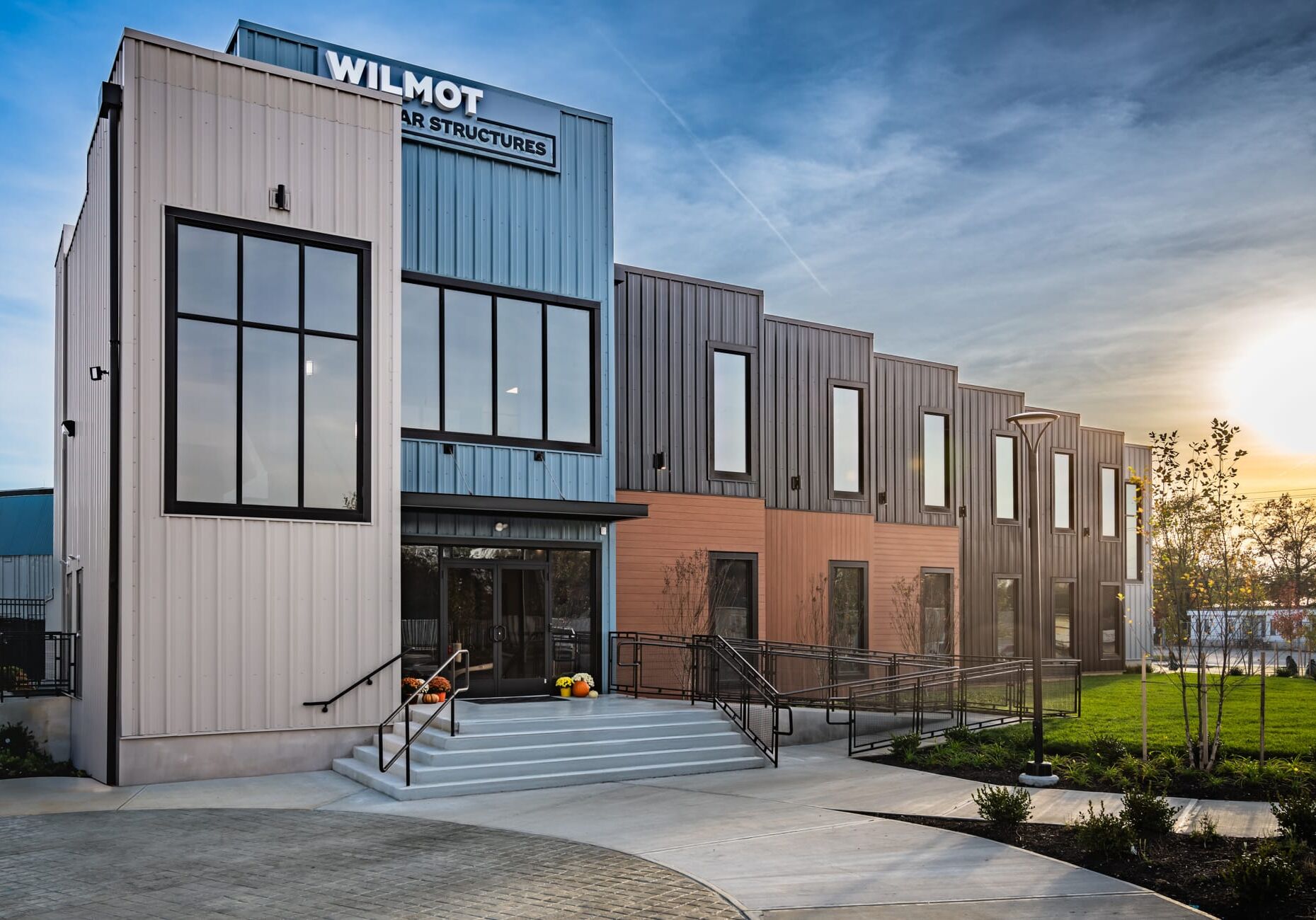
Offices & Data Centers
Modular construction can deliver permanent offices, administrative buildings, operations facilities, and data centers. Modules can create complete standalone structures or become part of larger projects that combine modular and site-built construction.
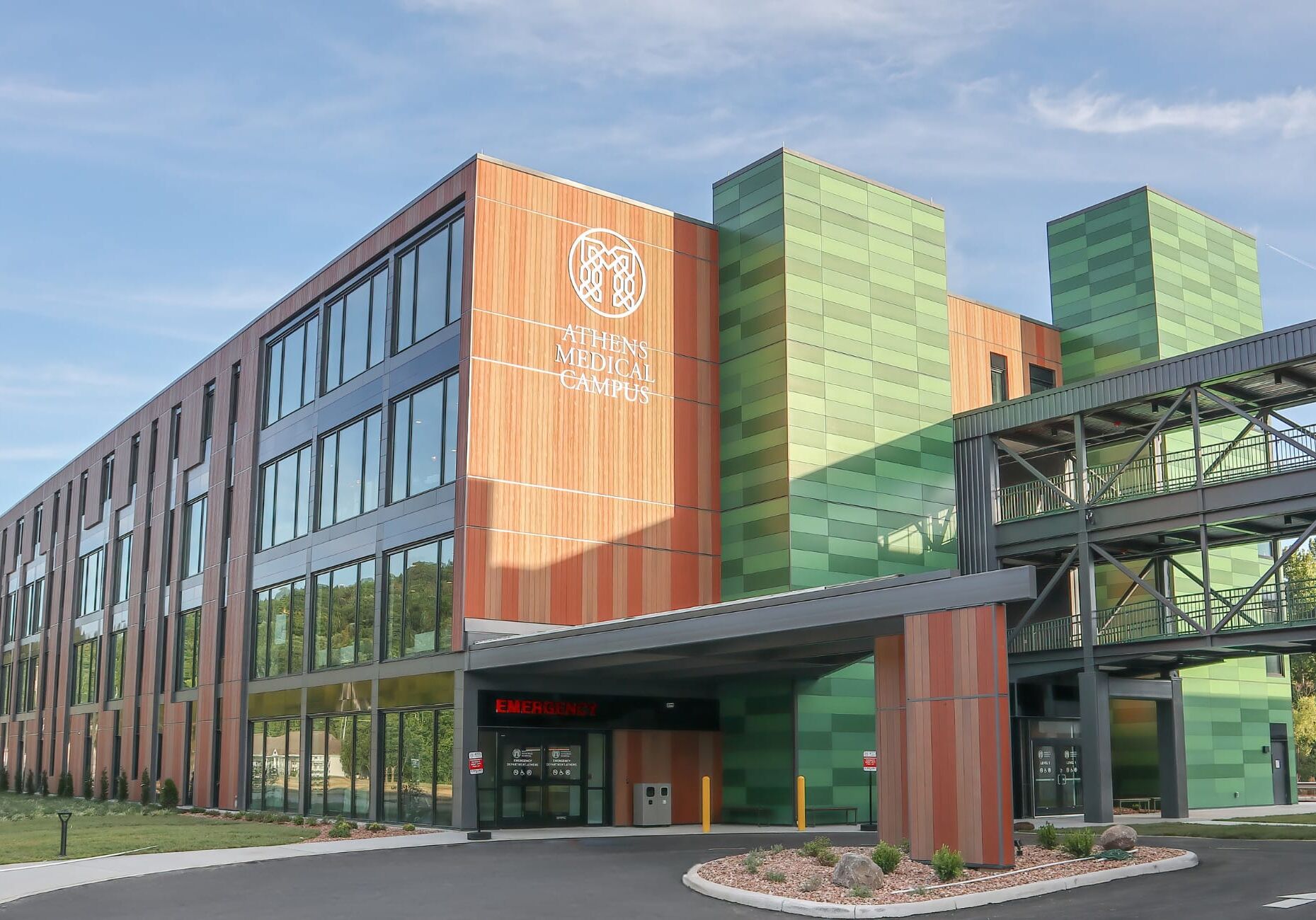
Healthcare Facilities
Permanent modular healthcare buildings can include hospitals, clinics, medical offices, and other specialized facilities. The controlled manufacturing process supports consistent construction and allows much of the building activity to take place away from active healthcare campuses.
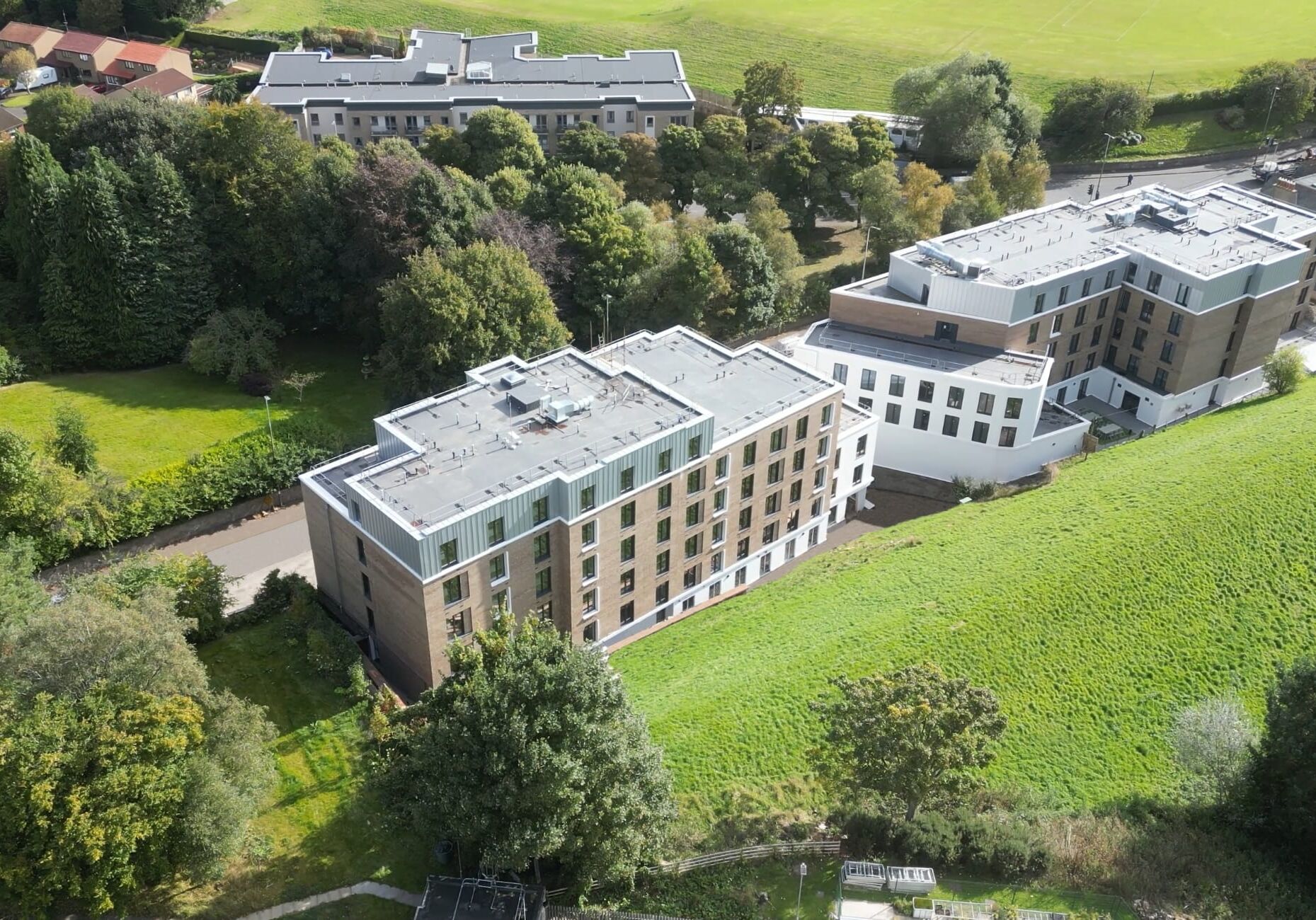
Schools & Educational Facilities
Primary and secondary schools, colleges, universities, laboratories, administrative facilities, residence halls, and other education buildings can all use permanent modular construction. Reducing construction activity at the project site can provide an important advantage when building on active campuses.
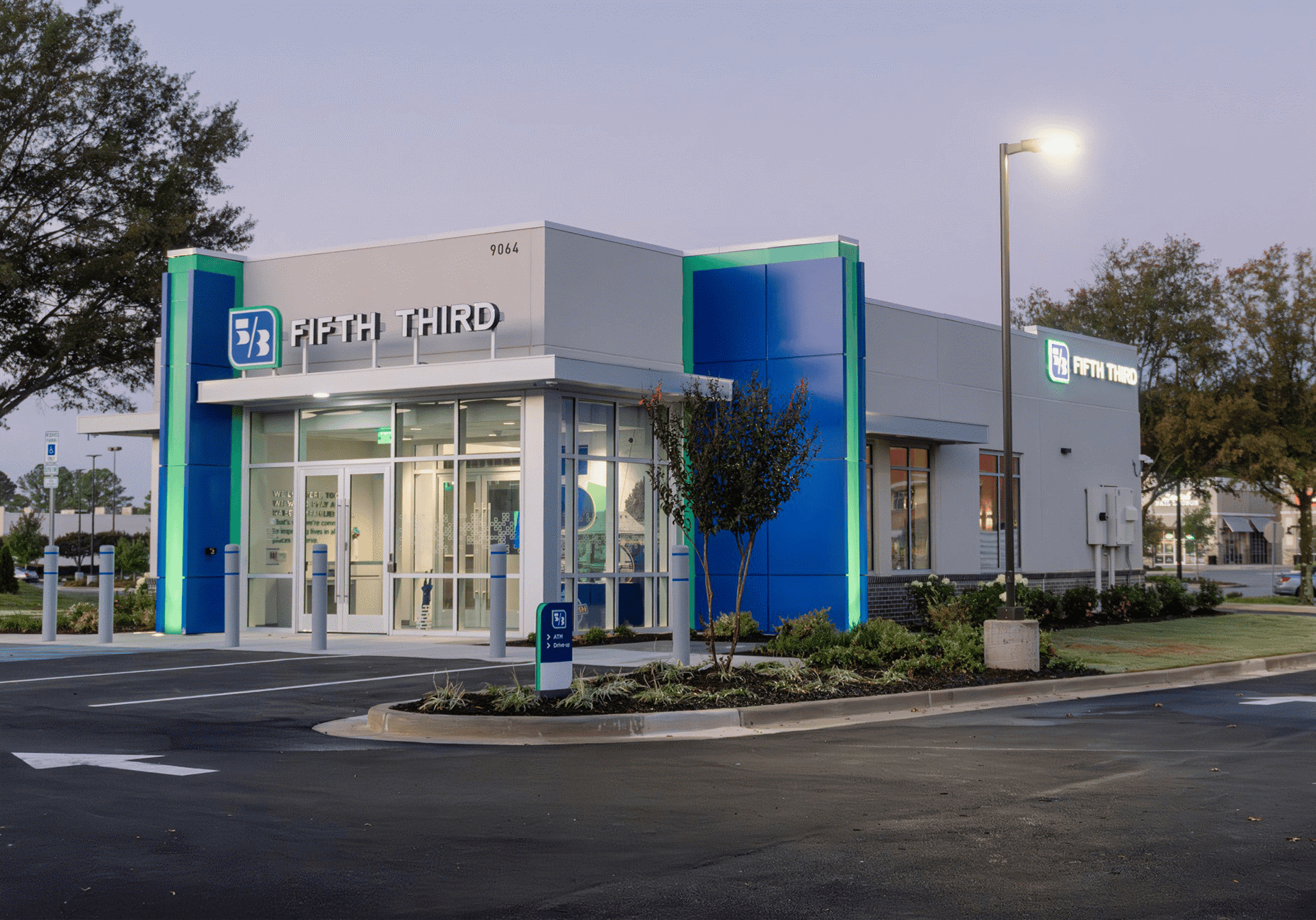
Retail & Commercial Buildings
Permanent modular applications include stores, restaurants, banks, branch locations, shopping centers, entertainment venues, and other commercial facilities. Faster project delivery can help businesses open locations and begin serving customers sooner.
Explore Permanent Modular Projects Around the World
Use this interactive map to learn more about permanent modular building projects from MBI members across the globe.
Benefits of Permanent Modular Construction
Permanent modular construction changes where and how much of a building is constructed. Instead of completing nearly all work sequentially at the final site, project teams can manufacture modules while crews prepare the site and foundation.
Faster Project Delivery
Factory construction and site preparation can occur at the same time. This concurrent process can reduce construction schedules by 30 to 50 percent compared with traditional construction methods, allowing owners to begin generating revenue sooner.
Consistent Quality Control
Manufacturers build modules in controlled indoor environments using established production processes. Modular manufacturing plants use quality assurance and quality control programs, along with independent inspection and testing protocols.
Same Building Codes
Permanent modular buildings must meet the same applicable building codes and standards as comparable site-built structures. Manufacturers can use architect-specified materials, including wood, steel, and concrete.
Reduced Site Impact
Moving much of the construction process offsite reduces the number of workers, vehicles, materials, and construction activities required at the final location. This can decrease noise, traffic, debris, safety risks, and disruption.
Design Flexibility
Permanent modular buildings can reflect the design intent, materials, finishes, and architectural specifications of sophisticated conventionally constructed facilities. Modules can also be designed to complement existing buildings or become part of projects that combine modular and traditional construction methods.
Reduced Waste & Sustainability
Factory production allows manufacturers to control inventory, protect materials, standardize processes, and recycle unused materials. These practices can reduce construction waste compared with projects completed entirely at the building site.
How Permanent Modular Buildings Are Constructed
The permanent modular construction process begins with project planning, design, engineering, and coordination. Manufacturers then construct the modules inside a controlled facility while site crews complete foundations, utilities, access routes, and other necessary work. After factory inspections and required approvals, the modules are transported to the site.
Cranes place the modules onto the foundation, where crews connect them structurally and complete building systems, exterior treatments, interior transitions, and final site work. The completed building must satisfy the applicable inspection and occupancy requirements for its location.
Explore Permanent Modular Construction Projects
Permanent modular construction gives owners, developers, architects, contractors, and public agencies another way to deliver high-quality buildings. From apartment communities and hotels to hospitals, schools, offices, restaurants, and data centers, PMC can support projects across a wide range of markets.
Explore MBI’s project database to see permanent modular buildings created by MBI members around the world.
Find a Modular Builder for Your Next Building Project
MBI members include the most experienced modular manufacturers and
contractors across the globe — all vetted, all ready to deliver.