
US$ 1 bilhão chega às ruas para financiar a iniciativa canadense de moradia modular rápida
Nos últimos dois anos, a MBI e seus membros têm trabalhado com a Canadian Mortgage Housing Corporation (CMHC) para abrir oportunidades para projetos de habitação social modular no Canadá. O desafio, de acordo com a CMHC, é que "o modular não se encaixa em nosso perfil tradicional de subscrição e financiamento".
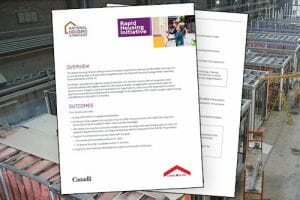
A MBI conseguiu trabalhar com a CMHC para desenvolver novas diretrizes de subscrição específicas para projetos modulares. Com base em uma ligação no final de outubro com a CMHC, espera-se que essas diretrizes estejam disponíveis e em vigor até o final de 2020. Mas a maior novidade para o setor é o recente anúncio da CMHC sobre sua "Iniciativa de Habitação Rápida (RHI)".
O Governo do Canadá, por meio da CMHC, lançou o RHI como um programa de US$ 1 bilhão que utiliza apenas a construção modular para ajudar a atender às necessidades urgentes de moradia dos canadenses vulneráveis, especialmente no contexto da COVID-19, por meio da construção rápida de moradias acessíveis. A iniciativa oferece contribuições de capital (mediante a assinatura de um contrato de financiamento com a CMHC) em dois fluxos para acelerar a entrega de moradias econômicas.
O RHI irá:
- Apoiar a criação de até 3.000 novas unidades habitacionais permanentes a preços acessíveis.
- Cobrir a construção de moradias modulares, bem como a aquisição de terrenos e a conversão/reabilitação de edifícios existentes para moradias econômicas.
- O objetivo é comprometer todos os fundos antes de 31 de março de 2021 e garantir que as moradias estejam disponíveis em até 12 meses após os contratos.
As solicitações de projetos devem ser enviadas pelas cidades em parceria com um desenvolvedor/construtor até 31 de dezembro de 2020.
A RHI fornecerá financiamento em dois fluxos, cada um contendo US$ 500 milhões em fundos disponíveis. No primeiro fluxo, a RHI enviará os fundos a municípios pré-identificados com o maior número de locatários com grave necessidade de moradia e pessoas sem teto. Para o segundo fluxo, um portal de solicitações será aberto a municípios, províncias e territórios, órgãos e organizações governamentais indígenas e organizações sem fins lucrativos, onde as solicitações serão priorizadas com base na força da solicitação.
A MBI elaborou um diretório de fabricantes canadenses com o objetivo expresso de ajudar os tomadores de decisão a localizar empresas modulares qualificadas com as quais estabelecer parcerias.
A MBI também está entrando em contato diretamente com os municípios pré-identificados para oferecer recursos e assistência para ajudar a garantir que esses projetos modulares sejam bem-sucedidos. Se você estiver interessado em participar dessa iniciativa habitacional, visite esta página para obter mais detalhes: https: //www.cmhc-schl.gc.ca/en/nhs/rapid-housing-initiative
A MBI identificou o setor de habitação multifamiliar, social e acessível como uma das maiores oportunidades de crescimento para o setor. Esse trabalho com a CMHC se encaixa no trabalho recentemente concluído que a MBI fez com a Fannie Mae no desenvolvimento de seu kit de ferramentas de construção modular multifamiliar.
Agradecimentos especiais ao membro da MBI Joseph Kiss, da Horizon North, por sua assistência nesse esforço.
Mais sobre a Modular Advantage
MBI Town Halls 2026: Reflections from Boston
By the end of 2026 MBI’s Government Affairs team will have traveled over 6,000 air miles to bring Town Hall events to five different cities in two countries.
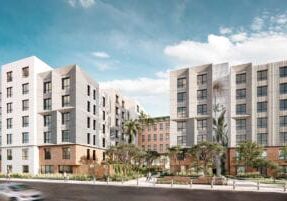
Mind the Gap: The Interface Between Onsite and Offsite Construction
Every design for manufacture and assembly (DfMA) project — modular, mass timber, or panelized — is really two projects joined at a seam. One is built in a controlled factory to millimeter tolerances; the other in the field, in weather, to the looser tolerances of poured concrete and human hands. Between them sits an interface: where the factory’s precision meets the site’s reality.
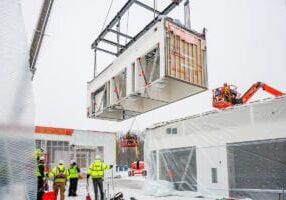
Rules, Rails & Repeatability: Applying DfMA to Modular Healthcare
DfMA offers several advantages for healthcare projects, with faster delivery among the most valuable. Schedule matters when building new facilities, expanding campuses, renovating existing space or bringing care closer to communities that need it.
Precision and Possibility: Demands of DfMA and What Modular Mass Timber Makes Possible
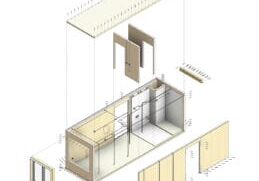
Mass timber does not automatically create an efficient modular building. Its precision makes early coordination more important: fabricated components will accurately reproduce both the team’s solutions and its mistakes. The material’s advantages are realized only when supported by an equally precise design and delivery process.
Catch It in the Factory, Not in the Field: Smarter Testing for Modular Builds
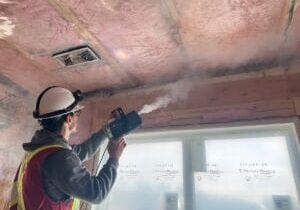
Integrating watertightness and airtightness testing into factory workflows transforms quality assurance from a reactive process into a proactive commissioning strategy. It ensures that every module shipped is field ready and resilient for transportation while also supporting the ability of the modular construction industry to make buildings better.
Modular Construction Contracts: Key Considerations for Successful Canadian Projects
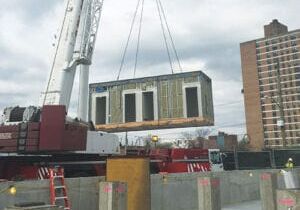
Starting a modular project with a well-developed contract protects both the owner and the contractor. It will help keep the project on track and on budget, and it will improve quality from the factory floor to final installation on-site.
Modular by Design: Turning Architecture into a Manufacturing System
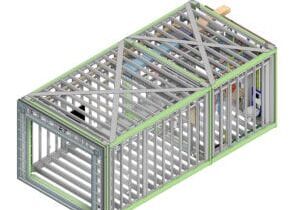
Modular construction is often presented as a faster way to build. Speed, however, is only one part of its value. The larger opportunity is to create a coordinated design and production system that improves quality, reduces uncertainty, and allows a building to move efficiently from concept design through manufacturing, transportation, installation, and completion.
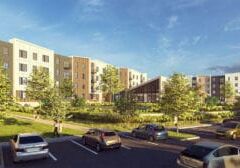
Repeatability Begins with Trust: What Alora at Dry Creek Reveals About Scaling Modular Housing
Alora at Dry Creek, a 329-unit, multifamily community comprising five four-story buildings in Centennial, Colorado, demonstrates how repeatable design, standardized manufacturing and early collaboration can work together to create a model that is not only faster to deliver, but easier to replicate across future projects.

T.R. Arnold: The Art of Third-Party Inspections
T.R. Arnold (TRA), a third-party inspection company in Elkhart, Indiana, contracts with modular manufacturers across the US. Manufacturers register with each state to which they intend to send their modules and may be required to hire a third-party inspection company.
Creating an ‘Ecosystem for Innovation:’ 50+ Years of Modular Construction Oversight in Virginia
Virginia’s modular building program began in 1973, with the implementation of the Virginia Industrialized Building Unit and Mobile Home Safety Regulations. Now it’s leading the country in modular code adoption.